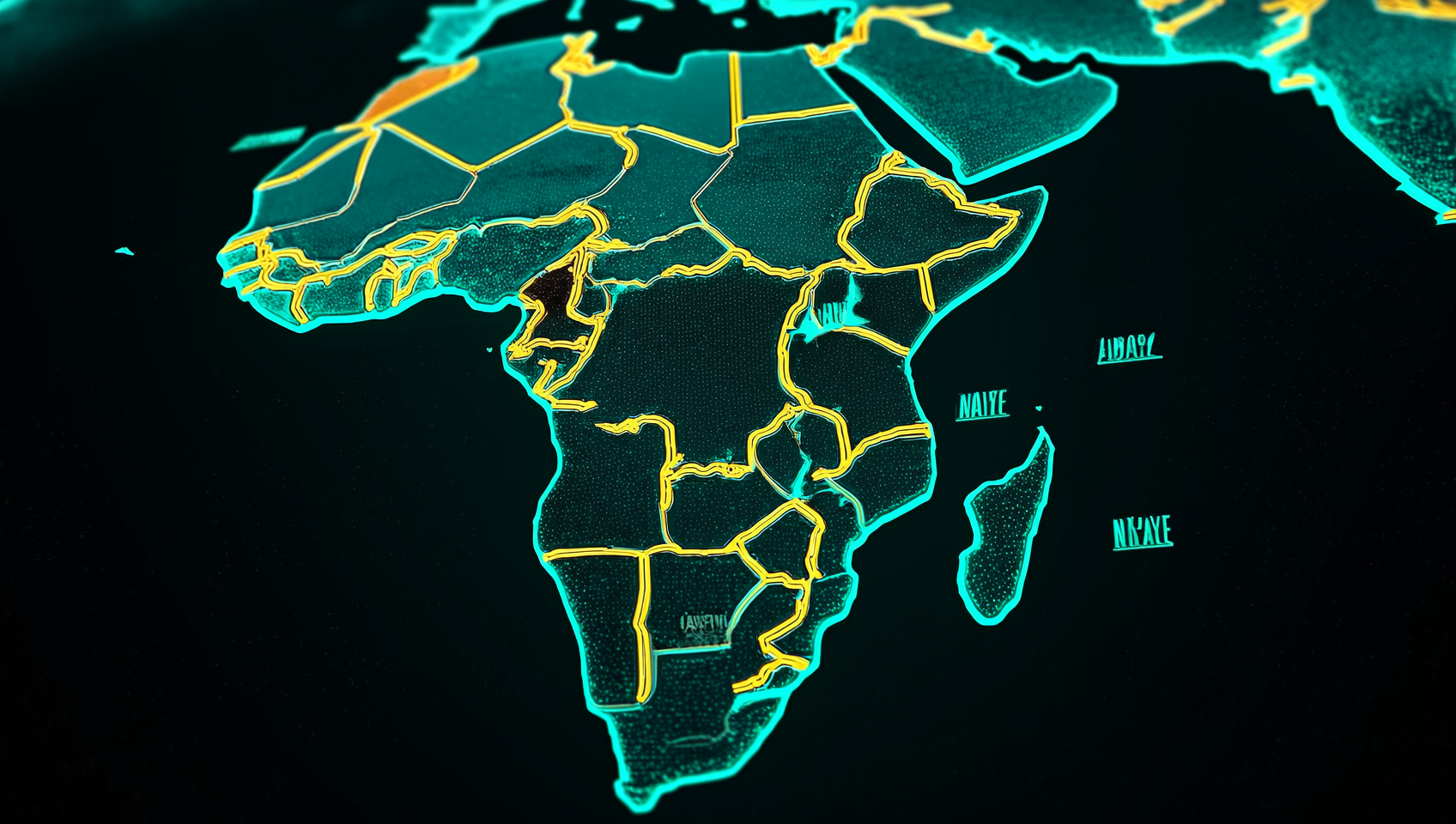
Fouta Djallon — 1766
Opelousas, LA — 1785
DAJ — 2026

The Handy Family

A Legacy 60 Generations Deep

1766 Oldest Documented Year
60 Generations
3 Continents
1 Family
You can erase a name. You cannot erase a people. — Code Black
Section 01 — Lineage

The Family Tree

Primary-source verified. Spanish Colonial Census 1785 → 1860 Slave Schedule → Freedmen's Bureau → Present.

AFRICA — THE ROOT (1735–1785)
SARA
~1735 · West Africa — Coastal Region
Probable ethnic identity: Baga / coastal Susu
Exact origin: Fouta Djallon region, present-day Guinea
JACQUES CHARLOT
Born ~1766 · Guinea, West Africa
Ethnic identity: YALUNKA (Jalonke / Dialonke)
Language group: Susu-Yalunka branch, Mande language family
Captured: ~1779–1785 — Fula jihadist raids, Imamate of Futa Jallon
Transit: Îles de Los staging point → Atlantic crossing → Louisiana
LOUISIANA — THE CROSSING (1785–1865)
JACQUES CHARLOT (cont.)
Documented 1785 · Opelousas, St. Landry Parish, Louisiana
Enslaved by: Charles Comeaux, Opelousas
Record: 1785 Spanish Colonial Census — verified
Enslaved
MARIE DOUCET
Freedwoman · St. Landry Parish, Louisiana
Connected to Céleste Bellard Doucet estate
Record: Film 870686 — St. Landry Parish Succession Index
Freedwoman
FRANÇOIS BELLARD
Freedman · Son of Marie Doucet
Connected to: Céleste Bellard Doucet estate succession
Record: NARA M653 Roll 431 — 1860 U.S. Slave Schedule, St. Landry Parish
Freedman
RECONSTRUCTION ERA (1865–1920)
POST-EMANCIPATION RECORD
1865–1880 · St. Landry Parish, Louisiana
Freedmen's Bureau Records — NARA M1905 Roll 48
St. Landry Parish succession records — property, family, legal standing
Line continues through Stewart-Handy family connections
PRESENT — THE RESTORATION (2026)
DANIEL DAJAI STEWART-HANDY
2026 · Las Vegas, Nevada
Code Black founder
60-generation trace: Jacques Charlot (1766 Guinea) → Las Vegas (2026)
Ethnic homeland: Fouta Djallon, Guinea-Conakry
Ethnic identity: Yalunka (Jalonke/Dialonke), Mande peoples
Identity: Restored
Section 02 — Origins

The Ethnic Homeland

GUINEA FOUTA DJALLON ÎLES DE LOS SENEGAL MALI NIGER SIERRA LEONE GHANA NIGERIA ATLANTIC OCEAN 500 KM WEST AFRICA — ETHNIC CORRIDOR ANALYSIS

The Yalunka (Jalonke/Dialonke)

  • Original inhabitants of the Fouta Djallon highlands
  • Present-day Guinea-Conakry — the highlands region
  • Pre-Islamic civilization — before the Fula jihad
  • Language: Yalunka (Susu-Yalunka branch, Mande family)
  • Social structure: village confederacies, animist faith
  • Economy: trade networks, livestock, gold exchange

The Fouta Djallon

"The Switzerland of West Africa" — high plateau, 1,000–1,500m elevation. The rivers Niger, Senegal, and Gambia all originate here. Source of West Africa's water. Source of this family's origin.

  • Fula Imamate (1725–1896): Islamic theocracy that conquered Yalunka
  • Jihad raids 1779–1785: thousands of Yalunka enslaved and exported
  • Jacques Charlot captured: estimated 1779–1785

The Îles de Los (Islands of Loss)

Staging point for the Atlantic crossing. 40–60 day Middle Passage from here to Louisiana. Transit documented in SlaveVoyages.org records. The last African soil Jacques Charlot touched.

Section 03 — Primary Sources

The Receipts

Every claim backed by an archival record. No speculation without a citation.

Document 01 · Census Record
1785 Spanish Colonial Census
Record Type: Population Census
Date: 1785
Location: Opelousas, St. Landry Parish, Louisiana
Content: Jacques Charlot listed as enslaved under Charles Comeaux
Significance: First documented appearance of the family line on American soil
Archive: Spanish Colonial Louisiana Records
Document 02 · Federal Record
NARA M653 Roll 431
Record Type: 1860 U.S. Slave Schedule
Location: St. Landry Parish, Louisiana
Content: Slaves listed in Céleste Bellard Doucet estate
Connection: Bellard / Doucet family network — François Bellard, Marie Doucet
Archive: NARA · Digital: Ancestry.com + FamilySearch
Document 03 · Federal Record
NARA M1905 Roll 48
Record Type: Freedmen's Bureau Records
Date: 1865–1872
Location: Louisiana, St. Landry Parish
Content: Post-emancipation family records, labor contracts, family reunification
Archive: National Archives and Records Administration
Document 04 · Microfilm Record
Film 870686
Record Type: St. Landry Parish Succession Index
Content: Property and succession records connecting Bellard and Doucet families across generations
Significance: Legal documentation of family network
Archive: FamilySearch Microfilm Collection
Section 04 — Temporal Scope

60 Generations

From Now to the Green Sahara. Every generation = 25 years. Gen 0 = 2026. Gen 60 = ~2200 BCE.

GEN YEAR (EST) WHAT WAS HAPPENING LOCATION
0 2026 Daniel Dajai Stewart-Handy — Identity Restored Las Vegas, NV
5 1876 Post-Civil War Reconstruction — Freedmen building St. Landry Parish, LA
10 1726 Colonial Louisiana — French rule, slave economy Louisiana
12 1676 Trans-Atlantic slave trade at peak volume Guinea → Louisiana
15 1651 Pre-jihad Africa — Yalunka living free in Fouta Djallon Fouta Djallon, Guinea
20 1526 Songhai Empire at its height — largest empire in African history West Africa
25 1376 Mali Empire dominates — Mansa Musa's legacy Mali / Guinea region
30 1126 Ghana Empire declining — Almoravid aftermath Sahel region
35 876 Iron Age West African kingdoms forming Upper Niger region
40 626 Proto-Mande cultures — ancestors of Mande peoples Western Sudan
45 376 Iron smelting, early agricultural kingdoms Niger bend
50 126 Ancient trans-Saharan trade routes — gold and salt Trans-Saharan corridor
55 374 BCE Nok culture contemporaries — terracotta civilization West Africa
60 ~2200 BCE TICHITT TRADITION — oldest proto-urban civilization in sub-Saharan Africa Green Sahara (Mauritania/Mali)
The Tichitt Tradition (~2200 BCE) is the oldest known proto-urban civilization in sub-Saharan Africa — walled settlements, organized agriculture, proto-Mande speaking peoples in what was then a green, fertile Sahara. Daniel's family line, by ethnic corridor analysis through the Yalunka/Mande chain, connects to these founders. 60 generations. One unbroken line.

The Nipsey Principle

"Nipsey bought his block on Crenshaw. The store. The parking lot. The apartment complex. He owned the infrastructure of his community. That was the Marathon."

Daniel owns the infrastructure of his family's history. The records. The corridors. The 60-generation table. Code Black is the Slauson Supermall of genealogy. And dajai.io is the block. You don't have to move to a new neighborhood — you have to know who you are on the block you're already standing on.

Nipsey's Block — Crenshaw / Slauson
  • The Marathon StoreMarathon Clothing — the flagship. His name. His brand. His block.
  • Too Big To FailThe investment model. Ownership over tenancy.
  • Vector 90 / Smart StoreSTEM center in the strip mall. Knowledge on the block.
  • The Parking LotHe owned the ground itself. Not just the store — the land.
Daniel's Block — dajai.io
  • Jacques Charlot (1766, Guinea)The deed. The founding document. The original address.
  • Named ancestorsBellard. Doucet. Comeaux. The block's history, documented.
  • 60-generation tableThe full land survey. From now to the Green Sahara.
  • Identity: RestoredNot just knowing the block — owning it again.
The Movement — Code Black
  • Vector 90 → Vector 90 2.0Nipsey's blueprint, extended forward.
  • Marathon on, CrenshawThe spirit. You own what you build on your block.
  • Code BlackThe methodology. Primary sources. No mythology. Just proof.
  • Your familySubmit your family. Your block has a history this deep too.
Section 06 — Your History

Your Family Has a
History This Deep.

Submit your family. In 2–4 weeks, you'll know your ancestors by name, your ethnic homeland by GPS coordinates, and your legal standing in the American reparations framework. This is not ancestry.com. This is Code Black.

RUN THE CODE →